
Image

Over the past couple of decades, the construction industry in America has begun incorporating a structural material that is both old and new: mass timber. As this building technology has proliferated, New Energy Works has evolved alongside it and incorporated mass timber into our work. We’re obviously huge fans of building with wood for a wide variety of reasons. Now with mass timber, there are more possibilities than ever. Here’s what it is, why it matters, and why so many architects and developers are embracing it.


What Is Mass Timber?

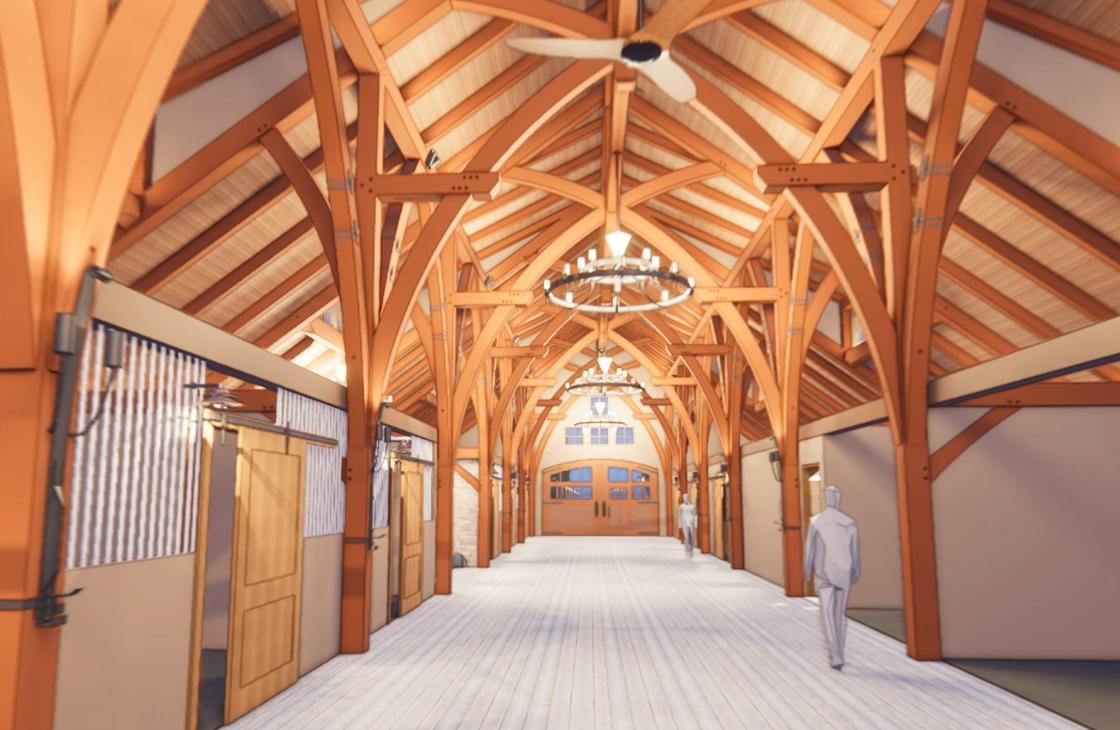
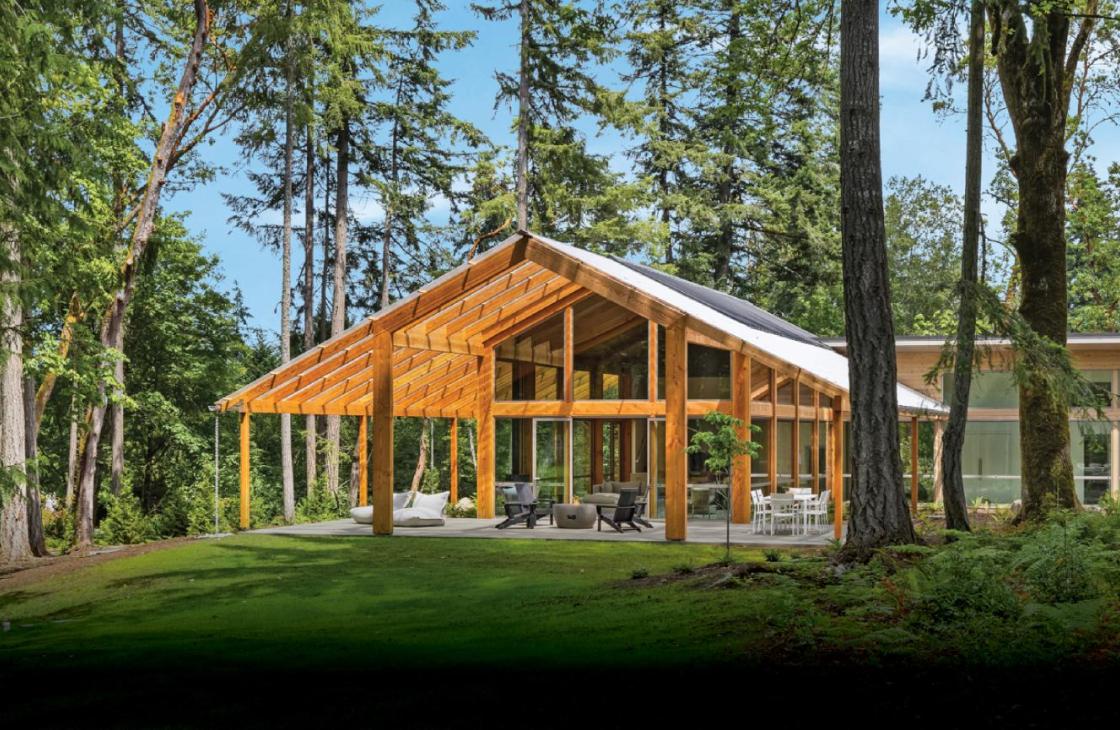
Mass timber refers to a category of engineered wood products made by bonding layers of wood together to create large, solid structural panels, beams, and columns. Unlike traditional “stick framing,” which uses small pieces of lumber assembled on-site, mass timber components are manufactured in a controlled environment and delivered ready to install.

Common mass timber products include:

  • Glue-Laminated Timber (Glulam) – Beams or columns formed by gluing together layers of lumber with the grain aligned in the same direction. Glulam members can be straight or curved.
  • Cross-Laminated Timber (CLT) – Large panels made by layering boards in alternating directions and bonding them with structural adhesives.
  • Nail-Laminated Timber (NLT) and Dowel-Laminated Timber (DLT) – Panels assembled using nails or hardwood dowels instead of adhesives.
  • Mass Ply Panels (MPP) – Similar in concept to common plywood, these panels are built out of many layers of wood veneer and adhesive.

These products create structural elements that rival steel and concrete in strength and stability, while offering unique architectural and environmental advantages.

Nestled in the heart of New York’s Finger Lakes region, Purple Haze Lavender Farm is a fragrant escape straight out of a pastoral postcard. Just minutes from the shores of Conesus Lake, the family-owned farm offers handcrafted lavender products, seasonal events, and a taste of rural hospitality.

Owner Noell Van Deursen’s journey to the farm began unexpectedly. “We bought a house about eight years ago. A few months later, it burned down,” she recalls. She explained that her and her husband  first connected with New Energy Works when they rebuilt, incorporating rugged timber beams. “While we were in the process of building the house, the 12-acre farm across the street went on the market, and we just scooped it up because we were worried about someone building a big, I don't know, campsite or whatever, right across the street from us.”

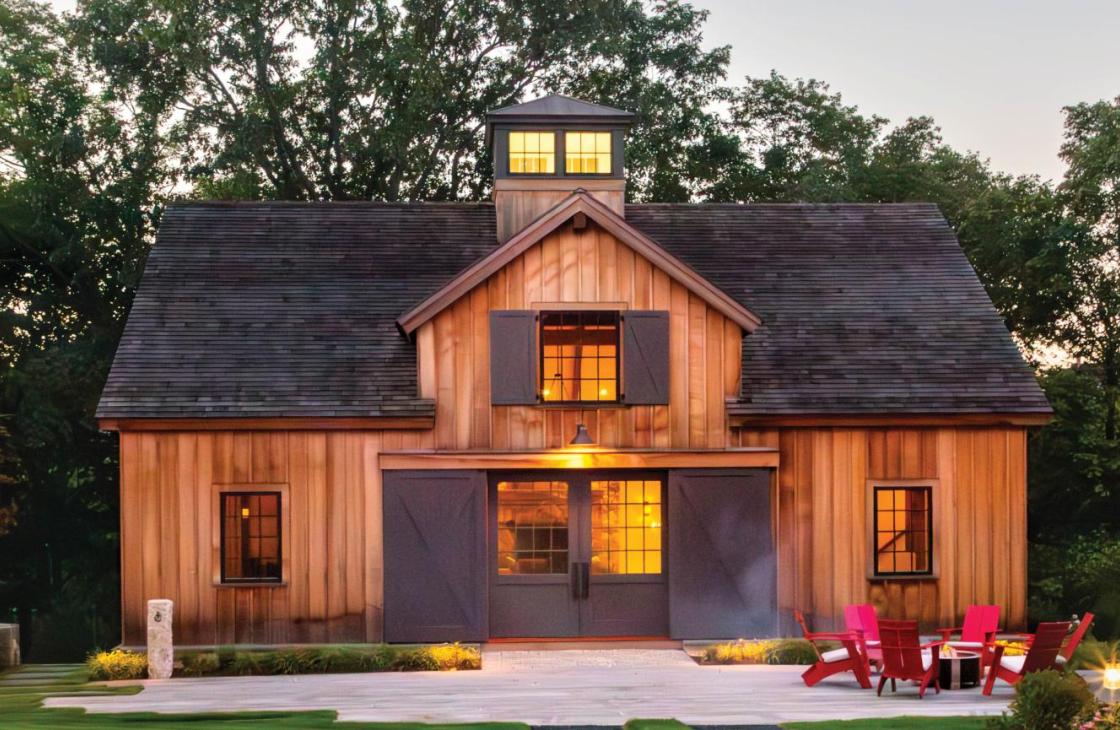
The property included a farmhouse, two aging barns, and a horse stable. One look at the first barn sealed her vision. “I really, really wanted to turn the barn into something cool.”

From the start, preserving the barn’s story was non-negotiable. Inspired by her parents’ restoration of a 13th-century castle, Van Deursen initially hoped to build around the original structure. But the cost and limitations proved impractical. She says, “It's not easy to build around an old structure, it's going to be very costly, and you are very limited in what you can do. So eventually we said, ‘Okay, let's just take this thing down but save as many of the beams as possible and then put them back in in a different form’. Literally the only company in my mind that could do that is New Energy Works.” They carefully dismantled the barn, salvaging as many beams and boards as possible to reincorporate into a new design.

Photo property of Friends of the Schooner LOTUS

The LOTUS is a legendary two-masted wooden schooner designed by William Hand Jr. in 1916. She first sailed the open waters of the Great Lakes in 1917 and remained a strong presence there for years.

Beginning in 1971, the LOTUS was sailed by Sea Scout Ship 303 out of Webster, Rochester, and Sodus Bay, New York. Over the decades, she made port throughout Lake Ontario, the St. Lawrence River, and New York City, and became a highlight attraction at “Pirate Days” in Alexandria Bay.

In 2015, longtime captain Bob Ellis passed away. Without his leadership, scheduled maintenance lapsed and the vessel fell into disrepair. By 2016, the LOTUS was removed from service, requiring extensive structural repairs including a significant breach in the hornbeam above the rudder. She has remained out of the water ever since.

Determined to see her sail again, a passionate group of supporters worked to recharter Sea Scout Ship 303 and restore the schooner. Their efforts led to the formation of Friends of the Schooner LOTUS (FOTSL) in 2019, an organization dedicated to the vessel’s restoration and long-term stewardship.

New Energy Works’ Director of Timber Framing, Owen MacDonald, shares a personal connection to the LOTUS, “My uncle sailed on the vessel in the ’70s as one of the early Sea Scouts. My sister sailed on her in the early 2000s, and I grew up in Sodus Bay spending a lot of time around the boat.”

Years before New Energy Works became formally involved, MacDonald participated in early assessments of the vessel. By 2017–2018, it was clear the LOTUS required significant structural work. The project moved to Cayuga Wooden Boat Works on Cayuga Lake for restoration.

Follow Us On Instagram